Nearly half of UK homeowners say their conservatory is too hot in summer and too cold in winter. That number explains why Conservatory roof conversion searches keep rising across the United Kingdom. What should be the comfort room becomes the room nobody is going to use. The blog decomposes the reality of conservatory roof conversion in the UK climate and what the owners should anticipate before undertaking the initiative. You will know how roof conversions will transform comfort, cost, and everyday use, and when it is worth investing in them.
Why UK Conservatories Struggle with Weather
The UK climate is unpredictable; Grey skies, and sudden heat waves. Long, damp winters. Conservatory roofs of the traditional design were never meant to be lived in all year round. Roofs made of glass or polycarbonate allow the heat to enter in summer. During winter, heat is lost easily. The cost of heating increases, and comfort decreases. That is why there is a great number of conservatories that remain idle for several months.
What a Conservatory Roof Conversion Actually Does
A roof conversion replaces the existing roof with a solid or insulated alternative. This changes how the space holds heat and blocks glare. The structure underneath usually stays the same. The renovation is aimed at insulation, strength, and ventilation. The room, once finished, acts more like the rest of the house rather than like an addition that is seasonal.
Comfort Is the Biggest Win
Most homeowners notice the change within days. Temperatures stabilise. The space feels quieter. Light becomes softer and more even. Rooms that once felt extreme become usable again. Families turn them into dining areas, offices, or play spaces. Comfort is not just physical. It changes how often the room is used.
Energy Use Drops Over Time
Heat loss is a major issue in older conservatories. A converted roof traps warmth and reduces reliance on heating. In summer, it prevents overheating. In winter, it keeps the warmth inside longer. While savings vary, many homeowners report lower energy use across the year. Over time, this helps offset the conversion cost.
Real World Example from a UK Home
A couple in southern England used their conservatory only three months a year. Glare made afternoons unbearable. Cold made winter mornings useless. After conversion, the room became their main living area. Heating stayed consistent. Noise from rain dropped significantly. The biggest change was how natural the space felt. It blended into the house instead of feeling separate.
How This Compares to Other Home Improvements
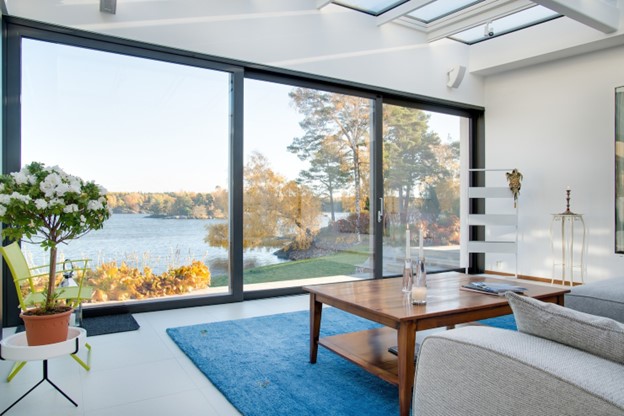
Many homeowners debate between roof upgrades and full home extensions. Extensions add space but cost more and take longer. A roof conversion improves what already exists. It is cheaper, has a shorter completion time, and does not have to face significant planning obstacles. As a source of comfort, it generates the greatest comfort enhancement without a total renovation squealer to many families.
Planning and Rules to Know
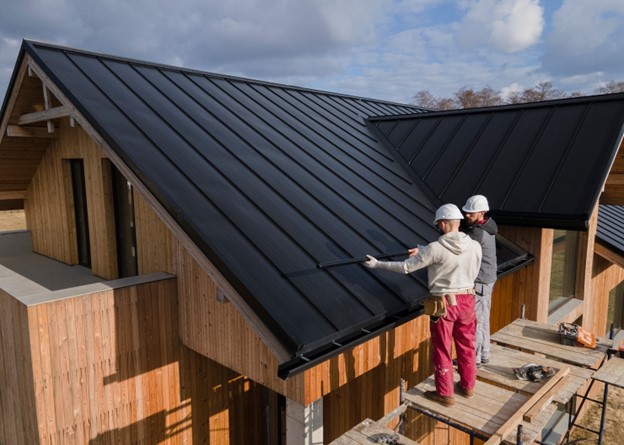
Most conservatory roof conversions fall under permitted development. This means planning permission is often not needed. However, building regulations still apply. Structural checks and insulation standards matter. Working with experienced roofline services for home extensions helps ensure safety and compliance without delays.
Costs Versus Long-Term Value
Prices vary according to the size, materials and construction. Although not inexpensive, conversions can be of use due to the generation of habitable space. Estate agents are perceiving converted conservatories as an extension of the main house. This can improve appeal during resale. Value is not only financial. It shows up in daily use and comfort.
When a Roof Conversion Makes Sense
A conversion works best when the base structure is sound, and the space is already well-placed in the home. It may not suit very small or poorly built conservatories. An honest assessment matters.
Signs a conversion is worth considering:
- Extreme temperature swings
- High heating use
- Limited room use
These signals suggest insulation is failing.
When It May Not Be the Right Choice
If the conservatory has structural issues or poor foundations, a conversion may not solve deeper problems. In those cases, removal or redesign could be better.
Situations needing careful review:
- Structural damage
- Water issues
- Poor foundations
Professional advice helps avoid wasted investment.
How Roof Conversions Fit 2026 Trends
Home improvement trends now focus on efficiency and adaptability. Spaces must work across seasons and uses. Roof conversions align with this shift. They turn wasted areas into flexible rooms without expanding the footprint. As home extension costs rise, smarter upgrades gain attention.
Conclusion
A conservatory roof conversion can transform an unused space into a comfortable part of the home. Insulation and temperature regulation are no longer an option in the UK climate. For many homeowners, the upgrade brings comfort, savings, and daily value. Dream Windows helps homeowners assess whether a conversion suits their space and goals. Is your conservatory working for you or sitting empty most of the year?
FAQs
1: How long does a conservatory roof conversion take?
Most roof conversions are completed within a few days, depending on size and structure, with minimal disruption to the home.
2: Will a roof conversion make my conservatory usable all year?
Yes. Improved insulation helps regulate temperature in both summer and winter.
3: Do I need planning permission for a roof conversion in the UK?
In most cases, no. However, building regulations still apply and must be met.
4: Does a roof conversion add value to my home?
Often yes. A comfortable, usable space can improve appeal and resale value.